 By
Bingo has stood the test of time as one of the most entertaining and socially engaging games in the world. Whether played in local halls, community centers, or online platforms, it continues to attract players of all ages. With its mix of luck, excitement, and community spirit, bingo offers more than just the thrill of winning. It’s a game that builds connections and delivers joy to millions.
In this article, we’ll take a deep dive into the world of bingo, covering its history, variations, rules, strategies, and why it still captures the hearts of players today.
The Origins of Bingo
The story of bingo dates back centuries. Historians trace its roots to an Italian lottery game called “Il Gioco del Lotto d’Italia,” which emerged in the 1500s. From there, the game spread across Europe, adapting into different versions. In France, it became a pastime for the elite, while in Germany, educators used it as a teaching tool for math and spelling.
By the 20th century, bingo had reached the United States, where it gained massive popularity. Churches, charities, and local organizations adopted the game as a fundraising tool, which is how it cemented its place in American culture.
Understanding the Basics of Bingo
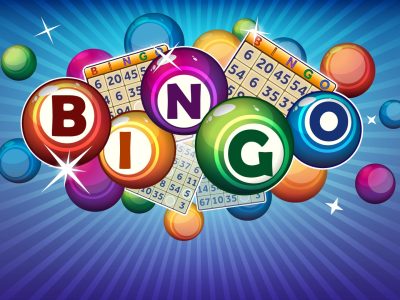
At its core, bingo is simple: players receive cards filled with random numbers arranged in a grid. A caller announces numbers one by one, and players mark off matches on their cards. The first person to complete a specific pattern and shout “Bingo!” wins the round.
Standard Bingo Rules
-
Card Layout: A traditional bingo card has a 5×5 grid with the letters B-I-N-G-O at the top. Each column corresponds to a number range (e.g., B for 1–15, I for 16–30, etc.).
-
Caller’s Role: Numbers are drawn at random and announced to the players.
-
Winning Patterns: The most common is a straight line horizontally, vertically, or diagonally. However, many games include unique patterns like corners, blackout (cover all numbers), or shapes.
-
Verification: When a player calls “Bingo,” their card is checked for accuracy before declaring them the winner.
Popular Variations of Bingo
Over time, multiple versions of bingo have emerged, each offering a slightly different experience. Some of the most well-known include:
75-Ball Bingo
This is the classic version most common in the United States. It features a 5×5 grid with creative patterns as winning conditions.
90-Ball Bingo
Popular in the UK and other regions, this version uses a 9×3 grid. Players can win with one line, two lines, or a full house.
80-Ball Bingo
A more modern adaptation, 80-ball bingo is played on a 4×4 grid. It’s faster-paced and often used in online formats.
Speed Bingo
As the name suggests, this is a rapid version of the game designed for quick excitement. Numbers are drawn at a much faster pace, and cards typically use fewer numbers.
Themed Bingo
Many communities and online platforms host themed bingo nights, where the cards, prizes, and atmosphere revolve around a specific concept like holidays, movies, or local events.
Why Bingo Remains Popular
Despite being centuries old, bingo continues to thrive. Several factors explain its enduring popularity:
-
Simplicity: Anyone can learn the rules within minutes.
-
Social Connection: It brings people together, creating a sense of community.
-
Accessibility: Available both in-person and online, it appeals to multiple generations.
-
Excitement: The unpredictability of the next number keeps players engaged.
-
Affordability: Playing is generally inexpensive, making it accessible to all income groups.
Strategies for Playing Bingo
While bingo is mostly a game of chance, players often use small strategies to enhance their experience and improve their odds.
Choosing Cards
-
Select cards with a balanced spread of numbers across ranges. This helps reduce clustering and increases the chance of hitting a match with every call.
Managing Multiple Cards
-
Playing more than one card boosts your odds but requires focus. Make sure you can manage multiple grids without missing calls.
Positioning and Attention
-
Sit close to the caller in live games or ensure a stable internet connection online to avoid missing numbers.
-
Stay alert throughout the game. Many players lose simply because they miss marking a number.
Budget and Discipline
-
Set a spending limit before playing and stick to it. Bingo should remain a form of entertainment, not financial stress.
The Social and Cultural Side of Bingo
Beyond winning prizes, bingo holds cultural significance. Community halls often use it as a tool to raise funds for charities, schools, or local organizations. Senior centers frequently host bingo sessions because the game fosters social interaction and mental engagement for older adults.
Online bingo has also created a new dimension. Players can join chat rooms, make friends globally, and participate in large-scale tournaments from the comfort of their homes. This digital evolution keeps bingo relevant in today’s tech-driven age.
Bingo in the Digital Age
The rise of technology has expanded the reach of bingo:
-
Mobile Apps: Players can enjoy bingo anywhere on smartphones.
-
Live Streaming: Virtual events recreate the feel of in-person halls.
-
Innovative Features: Online platforms offer bonuses, side games, and interactive chat systems that keep players engaged.
-
Accessibility Tools: Auto-daub features help players track numbers without missing any calls.
Tips for Hosting a Bingo Night
Hosting a bingo night is a fantastic way to gather friends, family, or community members. Here are some steps to make it successful:
-
Prepare Materials: Cards, markers, a number generator or ball cage, and a microphone for the caller.
-
Create Themes: Holiday-themed games add excitement.
-
Set Rules Clearly: Explain the winning patterns upfront.
-
Offer Prizes: From gift cards to homemade goodies, rewards make the event more engaging.
-
Encourage Socializing: Provide snacks and breaks for conversation to make the night more memorable.
Bingo’s Future Outlook
As technology advances, bingo is likely to keep evolving. With augmented reality and virtual reality on the horizon, we may soon see bingo experiences that blend physical and digital play. However, the core appeal will always remain: simple rules, communal fun, and the joy of shouting “Bingo!” at the perfect moment.
FAQ Section
What is the difference between 75-ball and 90-ball bingo?
75-ball bingo is common in the USA and uses a 5×5 grid with multiple creative winning patterns, while 90-ball bingo is popular in the UK and involves a 9×3 card with one line, two lines, and full house wins.
Can you improve your odds of winning bingo?
While bingo is mostly luck-based, managing multiple cards, choosing balanced numbers, and staying alert during calls can slightly increase your chances.
Is online bingo the same as traditional bingo?
Yes, the core rules are the same. The main difference is the format, as online bingo often includes digital features like auto-daub and chat rooms.
Why is bingo popular with seniors?
Bingo is easy to play, encourages mental activity, and provides valuable social interaction, which makes it especially appealing to older adults.
How much money should I bring to a bingo night?
That depends on the venue and number of cards you want to play. Setting a personal budget beforehand ensures the experience stays fun and affordable.
Can children play bingo?
Yes, bingo can be adapted as a family-friendly game for children using themed cards or educational versions that teach numbers, words, or facts.