 By
Lottery marketing is more than simple promotion—it is a carefully designed system that taps into human psychology, emotions, and decision-making patterns. From colorful billboards to emotional storytelling, marketing strategies play a powerful role in shaping how players perceive lotteries and how often they participate.
Understanding these influences helps explain why lotteries remain popular across different demographics and economic groups.
The Psychology Behind Lottery Marketing
At its core, lottery marketing leverages psychological triggers that affect how people evaluate risk and reward. Rather than focusing on odds, campaigns emphasize possibility and hope.
Key psychological elements include:
-
Optimism bias, where players believe they are more likely to win than others
-
Availability heuristic, making jackpot winners feel more common than they actually are
-
Emotional appeal, linking lotteries with happiness, freedom, or family security
These elements work together to make participation feel emotionally rewarding, even before a ticket is purchased.
Emotional Storytelling and Aspirational Messaging
Modern lottery campaigns often focus on life transformation rather than money itself. Advertisements show relatable people imagining a better future—traveling the world, helping loved ones, or escaping financial stress.
This approach influences behavior by:
-
Making players visualize themselves as winners
-
Connecting lottery play with personal dreams and aspirations
-
Reducing perceived risk by framing play as harmless entertainment
The stronger the emotional connection, the more likely players are to repeat their behavior.
Visual Design and Sensory Influence
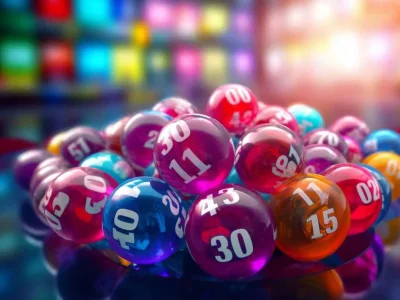
Lottery marketing relies heavily on visual stimulation. Bright colors, bold fonts, and celebratory imagery create excitement and urgency.
Common visual tactics include:
-
High-contrast colors to draw attention at retail counters
-
Images of cash, luxury items, or celebrations
-
Simple layouts that make participation feel quick and easy
These design choices reduce friction in decision-making, encouraging impulse purchases.
The Role of Jackpot Size and Urgency
Marketing intensity often increases as jackpot values rise. Larger jackpots are framed as rare opportunities, pushing players to act quickly.
This creates:
-
Fear of missing out (FOMO) among occasional players
-
Increased ticket purchases during rollover periods
-
A perception that “now” is the best time to play
Urgency-driven messaging shortens the time players spend evaluating their decision, increasing participation rates.
Digital Marketing and Personalized Engagement
With the rise of digital platforms, lottery marketing has become more targeted and interactive. Email campaigns, mobile apps, and social media allow marketers to tailor messages based on player behavior.
Digital strategies influence players by:
-
Sending reminders tied to previous play patterns
-
Offering personalized promotions or bonus entries
-
Using push notifications to prompt repeat engagement
This personalization reinforces habitual play and strengthens brand loyalty.
Social Proof and Community Influence
Lottery marketing often highlights group participation, such as office pools or shared wins. Seeing others play—or win—normalizes the behavior.
Social influence works through:
-
Testimonials and winner stories
-
Group play promotions
-
Media coverage of local winners
When playing feels socially accepted, players are more likely to participate without hesitation.
Ethical Considerations in Lottery Marketing
While lottery marketing is effective, it raises ethical questions. Campaigns must balance promotion with responsibility, especially for vulnerable populations.
Responsible marketing practices include:
-
Clear messaging about odds
-
Promoting limits and self-control tools
-
Avoiding misleading claims about guaranteed success
Ethical approaches help sustain long-term trust while reducing potential harm.
Long-Term Impact on Player Behavior
Over time, consistent exposure to lottery marketing shapes habits. For many players, participation becomes routine rather than a deliberate choice.
Long-term effects include:
-
Increased normalization of frequent play
-
Strong emotional attachment to specific games
-
Reduced sensitivity to low winning probabilities
This demonstrates how marketing doesn’t just attract players—it conditions behavior.
Frequently Asked Questions (FAQ)
How does lottery marketing affect decision-making?
Lottery marketing simplifies decisions by emphasizing emotions and possibilities rather than statistical odds, making participation feel more appealing.
Why do people underestimate the risks of playing the lottery?
Marketing focuses on winners and success stories, which makes losses feel less visible and less important.
Does digital lottery marketing increase repeat play?
Yes, personalized messages and reminders significantly increase the likelihood of habitual participation.
Are lottery advertisements regulated?
In many regions, lottery marketing is regulated to ensure transparency, responsible messaging, and consumer protection.
How does jackpot advertising influence occasional players?
Large jackpot promotions create urgency and excitement, drawing in players who may not normally participate.
Can responsible marketing reduce problem gambling?
Clear odds, spending reminders, and limit-setting tools can help reduce harmful behavior while maintaining engagement.
Why is visual design so important in lottery marketing?
Visual elements trigger excitement and impulse responses, making tickets more noticeable and easier to buy.