 By
Bingo is one of the most enduring and enjoyable games of chance, celebrated across generations for its simplicity and social nature. Whether played in traditional halls, at community events, or in modern online formats, the thrill of waiting for your numbers to be called has made this game a cultural staple. In this guide, we’ll take an in-depth look at bingo, from its history and rules to strategies, variations, and modern popularity.
The Origins of Bingo
Bingo has roots that trace back to 16th-century Italy, where a lottery-style game known as Lo Giuoco del Lotto d’Italia was first played. From there, the game spread across Europe, adapting different names and formats in France and Germany. In the early 20th century, bingo became popular in the United States, gaining its modern name when players shouted “Bingo!” upon completing their card. This evolution shows how the game moved from being a regional pastime to an international favorite.
How Bingo Works
At its core, bingo is straightforward, but the excitement comes from the anticipation of matching numbers and the fast-paced calls.
Basic Rules
-
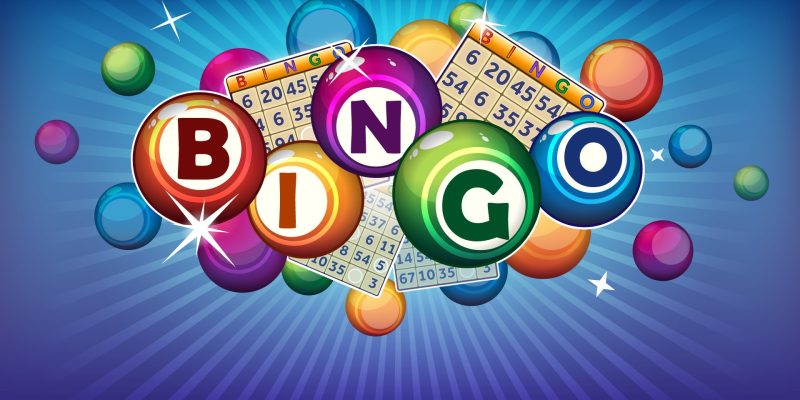
Each player receives a bingo card with a 5×5 grid.
-
Columns are marked with the letters B I N G O.
-
Numbers are randomly placed within specific ranges for each column.
-
The caller announces numbers at random, and players mark them on their cards.
-
The objective is to complete a predetermined pattern, often a straight line horizontally, vertically, or diagonally.
-
The first player to complete the pattern shouts “Bingo” to win.
Popular Patterns
-
Single line (horizontal, vertical, diagonal)
-
Four corners
-
Blackout (covering the entire card)
-
Letter-shaped patterns (like “X” or “T”)
Variations of Bingo
Bingo has many versions, making it adaptable to different audiences and preferences.
75-Ball Bingo
The most common version in the United States. Players use a 5×5 card with the middle square marked as a free space. Multiple patterns can be used, making it versatile and engaging.
90-Ball Bingo
Widely popular in the United Kingdom, this version uses a larger card with three rows and nine columns. Winning conditions include one line, two lines, or a full house (all numbers).
80-Ball Bingo
Played on a 4×4 grid, this version is a middle ground between 75-ball and 90-ball bingo. It’s commonly used in online formats with unique patterns.
Themed Bingo
To add fun, event organizers often introduce themed cards, music, or prizes. Examples include holiday-themed games, music bingo (marking songs instead of numbers), or educational bingo for kids.
Why Bingo Remains Popular
Bingo’s enduring charm comes from its mix of simplicity and social interaction. Unlike strategy-heavy games, it requires minimal learning but delivers maximum excitement.
Social Engagement
Bingo halls have long been community gathering spots. The game fosters interaction, laughter, and camaraderie. Even in digital formats, chat rooms and multiplayer features keep the social element alive.
Accessibility
Bingo is suitable for all age groups. Children enjoy simplified educational versions, while adults and seniors appreciate the classic style. Its low entry barrier makes it approachable to newcomers.
Entertainment Value
The suspense of waiting for numbers keeps players on edge, while small wins maintain excitement throughout the session. Combined with community spirit, it creates an enjoyable atmosphere.
Strategies for Playing Bingo
While bingo is largely a game of luck, certain approaches can enhance enjoyment and improve your chances.
-
Play multiple cards: More cards increase your chances of having the winning number combination.
-
Choose less crowded games: Fewer players mean higher odds of winning.
-
Balance card management: Avoid taking on more cards than you can comfortably track.
-
Stay attentive: Missing a called number can cost you a win.
-
Set limits: Always decide on a budget before playing, keeping the game fun and stress-free.
Bingo in Modern Times
Technology has given bingo new life, with digital platforms making it available anytime, anywhere.
Online Bingo
Online platforms offer various bingo formats, themed rooms, and prize structures. Players can join global communities, making the game more accessible than ever.
Mobile Apps
Mobile gaming apps have popularized bingo among younger audiences. With features like daily bonuses, interactive designs, and social chat functions, the experience feels fresh while staying true to the classic game.
Charity and Fundraising Events
Bingo continues to play an important role in local communities, often used for fundraising in schools, churches, and nonprofit organizations. Its simplicity ensures high participation, making it ideal for social causes.
The Cultural Significance of Bingo
Bingo has a special place in cultural history. In the U.S., it became a staple in community centers and senior living facilities, often associated with fun nights out and affordable entertainment. Its universal appeal has also led to pop-culture references in movies, TV shows, and music.
Tips for Hosting a Bingo Event
If you’re planning to organize bingo for a gathering, here are some practical ideas:
-
Choose the right version: Decide between 75-ball, 90-ball, or themed bingo based on your audience.
-
Offer creative prizes: Beyond money, prizes like gift cards, event tickets, or themed baskets add excitement.
-
Keep it interactive: Encourage participants to chat, joke, and enjoy the session.
-
Set clear rules: Make sure everyone understands how to play and win.
-
Use music and decorations: Create a festive atmosphere to make the event memorable.
Frequently Asked Questions
What is the difference between 75-ball and 90-ball bingo?
75-ball bingo is common in the U.S. with a 5×5 grid, while 90-ball bingo, popular in the U.K., uses a card with three rows and nine columns and has different winning stages.
Can children play bingo?
Yes, with age-appropriate versions. Educational bingo teaches kids numbers, words, or concepts, making it both fun and instructive.
Is bingo purely luck-based?
Yes, the numbers are called at random. However, strategies like playing multiple cards or choosing smaller games can slightly improve your chances.
Why is bingo popular among seniors?
Its simple rules, social nature, and entertainment value make it ideal for older adults. It promotes mental engagement and social interaction.
Can bingo be played without money?
Absolutely. Many groups play just for fun or use small, non-monetary prizes. It’s common in classrooms, family gatherings, or charity events.
How can I host bingo at home?
You can print free cards or use online generators. With a caller, a set of numbers, and a group of players, it’s easy to set up an engaging home bingo night.