 By
Blackjack is one of the most iconic and widely played card games in casinos worldwide. Known for its mix of chance and strategy, it continues to attract beginners and professionals alike. Unlike many casino games, players in blackjack can influence outcomes through decisions like when to hit, stand, split, or double down. This balance of skill and luck makes blackjack an exciting game to learn and master.
Including blackjack in your entertainment or gaming knowledge is more than just learning the rules. Understanding strategy, bankroll management, and card behavior can make a big difference in how successful you are at the tables.
The Basics of Blackjack
At its core, blackjack is a comparison game between the player and the dealer. The goal is to beat the dealer without going over 21.
-
Card values: Number cards are worth their face value, face cards (Jack, Queen, King) are worth 10, and Aces can be either 1 or 11 depending on which benefits the hand.
-
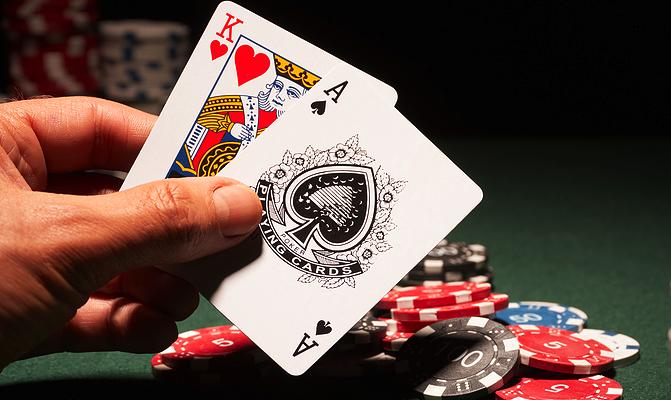
Natural blackjack: A hand of an Ace plus a 10-value card (10, J, Q, K) is called a blackjack. It usually pays 3:2 if the casino follows traditional payout rules.
-
Dealer rules: The dealer must follow strict instructions, typically hitting until reaching 17 or higher.
How a Round Works
-
Players place their bets.
-
The dealer deals two cards to each player and two to themselves (one face up, one face down).
-
Players act in turn, deciding whether to hit, stand, double down, or split.
-
The dealer reveals their hidden card and completes their hand.
-
Outcomes are compared, and winnings or losses are determined.
Understanding Player Options
A major appeal of blackjack is the variety of player choices available. Each decision can influence whether you win or lose.
Hit or Stand
-
Hit: Take another card to improve your total.
-
Stand: Keep your current hand if you believe it is strong enough to beat the dealer.
Double Down
You double your initial bet and receive just one additional card. This option is often best when you have a strong starting hand, such as a total of 10 or 11.
Splitting Pairs
If you are dealt two cards of the same value, you can split them into two separate hands and play them individually. For example, splitting Aces gives you two chances to make a powerful hand.
Surrender
In some games, you can choose to surrender your hand immediately and lose only half your bet. This is useful when your odds of winning are very low.
Blackjack Strategy and Probability
Unlike games that rely solely on chance, blackjack involves strategy based on mathematical probabilities. Players can improve their long-term outcomes by following an established system.
Basic Strategy
Basic strategy charts, derived from computer simulations, show the statistically best move for every possible hand against the dealer’s visible card. Following basic strategy can reduce the house edge to around 0.5%.
Odds and Probabilities
-
The chance of busting when hitting depends on your hand. For instance, hitting with a total of 12 has about a 31% bust probability, while hitting on 16 has more than a 60% chance of busting.
-
Dealers have about a 28% chance of busting overall. Knowing when to let the dealer take that risk is key.
Card Counting
While not illegal, card counting is discouraged in casinos. It involves tracking the ratio of high cards to low cards remaining in the deck. A higher proportion of high-value cards increases the odds in the player’s favor.
Bankroll Management
Even the best strategies cannot guarantee consistent wins without responsible bankroll management. Managing your money ensures you can withstand losing streaks.
-
Set a budget: Decide how much you are willing to risk before sitting down.
-
Bet sizing: Avoid wagering too much on one hand. A good rule is to keep bets between 1% and 5% of your bankroll.
-
Discipline: Know when to walk away, whether you are ahead or behind.
Common Mistakes to Avoid
Many new players make avoidable errors that cost them money. Being aware of these mistakes can protect your bankroll.
-
Standing on low totals when the dealer shows a weak card.
-
Failing to split pairs such as Aces and 8s.
-
Ignoring basic strategy in favor of gut feelings.
-
Betting more than your budget allows.
The Social Aspect of Blackjack
Beyond strategy, blackjack is also a social game. Sitting at a table with other players adds energy and fun. However, each hand is played against the dealer, not against fellow players. This allows you to enjoy camaraderie without worrying about competition with your tablemates.
Variations of Blackjack
Different casinos and online platforms offer unique twists on traditional blackjack. While the rules remain similar, these variations can impact strategy.
-
European Blackjack: The dealer receives only one card initially, and the second is dealt after players finish their turns.
-
Spanish 21: Played without 10-value cards in the deck but includes generous player bonuses.
-
Pontoon: Popular in some regions, featuring slightly different terminology and payout rules.
Live and Online Blackjack
With technology evolving, blackjack is no longer limited to physical casinos. Online blackjack provides players with the chance to play from home, while live dealer games recreate the authentic casino atmosphere.
-
Online blackjack: Uses digital decks and random number generators to ensure fairness.
-
Live dealer blackjack: Streams real dealers from a casino studio, blending online convenience with human interaction.
Advanced Techniques for Serious Players
For those who want to go beyond casual play, advanced techniques can enhance performance.
-
Shuffle tracking: Observing shuffle patterns to estimate where certain cards are likely to appear.
-
Hole carding: Attempting to spot the dealer’s hidden card when they unintentionally reveal part of it.
-
Side bets: Optional wagers on outcomes such as pairs or certain totals. While exciting, side bets usually carry a higher house edge.
Real-Life Tips for Playing Blackjack
-
Always assume the dealer’s hidden card is worth 10 when making decisions.
-
Never take insurance unless you are an advanced card counter.
-
Practice with free online blackjack games before betting real money.
-
Keep emotions in check and focus on long-term strategy.
FAQ Section
What is the house edge in blackjack?
The house edge in blackjack is typically around 2% for inexperienced players, but by using basic strategy, it can be reduced to about 0.5%.
Is it better to play at a full table or alone?
A full table slows down the game, which can be helpful for beginners. Playing alone means more hands per hour, which increases exposure to both wins and losses.
Why is splitting 8s always recommended?
Two 8s make 16, one of the weakest hands. Splitting gives you a better chance of building two stronger hands instead of sticking with a losing total.
Can I consistently win at blackjack with card counting?
Card counting can provide an advantage, but casinos are skilled at detecting it and may ask players to leave. It also requires significant concentration and practice.
What’s the difference between hard and soft hands?
A hard hand does not include an Ace or counts the Ace as 1. A soft hand includes an Ace counted as 11, giving you more flexibility.
Is blackjack purely luck-based?
No, blackjack combines luck with strategy. While the deal of the cards is random, your decisions strongly influence your long-term success.