 By
Casino games are not built on chance alone. Every color, sound, animation, and rule is intentionally designed to influence how players feel, think, and behave. Understanding how casino game design shapes player behavior reveals why certain games feel more engaging, immersive, or difficult to walk away from.
This article explores the psychology, mechanics, and visual strategies casinos use to guide player decisions—both consciously and subconsciously.
The Psychology Behind Casino Game Design
At the core of casino game design is behavioral psychology. Designers rely on well-studied human responses to reward, anticipation, and uncertainty.
Key psychological drivers include:
-
Variable rewards, where wins occur unpredictably, keeping excitement high
-
Dopamine release, triggered by near-wins and small but frequent payouts
-
Loss aversion, encouraging players to continue in hopes of recovery
These elements combine to create a powerful feedback loop that sustains player engagement longer than most realize.
Visual Design and Player Engagement
Visual cues are one of the most immediate influences on player behavior. Casinos use vibrant, high-contrast visuals to hold attention and stimulate emotion.
Common visual strategies include:
-
Bright colors to signal excitement and urgency
-
Animated effects that celebrate wins, even small ones
-
Thematic consistency, such as adventure or luxury themes, to build emotional connection
These visuals reduce perceived risk and increase the sense of entertainment rather than financial loss.
Sound Design and Emotional Conditioning
Sound is just as influential as visuals. Carefully engineered audio reinforces player actions and emotions.
Typical sound design elements:
-
Winning jingles that trigger positive reinforcement
-
Rhythmic background music to maintain tempo and focus
-
Near-miss sounds that suggest a win was close, encouraging continued play
Even losses are often accompanied by neutral or pleasant sounds, softening their emotional impact.
Game Mechanics That Shape Decision-Making
Beyond aesthetics, the rules and mechanics of casino games directly influence how players make choices.
Design features that affect behavior include:
-
Fast game cycles, reducing time for reflection
-
Low minimum bets, making continued play feel affordable
-
Bonus rounds and multipliers, increasing perceived value without guaranteeing returns
These mechanics subtly promote longer sessions and higher overall spending.
The Role of Near Misses and Illusions of Control
One of the most powerful behavioral tools is the near miss—when a result appears just short of a win.
Why near misses work:
-
They activate the same brain regions as actual wins
-
They create a sense of progress, even in loss
-
They reinforce the belief that skill or timing matters
Features like “stop buttons” or choice-based elements further enhance the illusion of control, making players feel more involved in outcomes that are ultimately random.
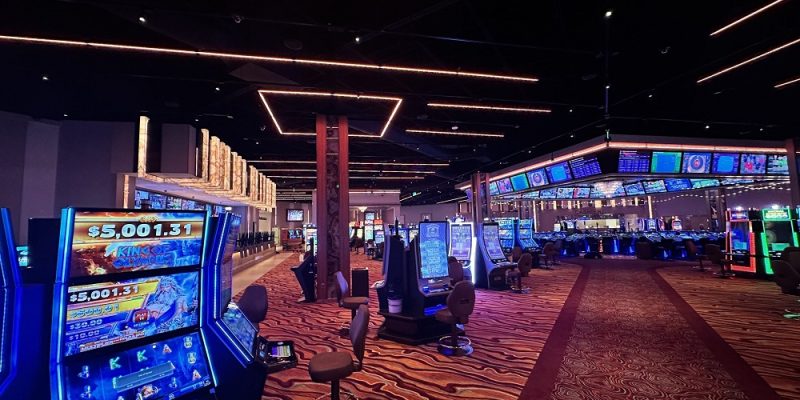
Casino Layout and Environmental Design
Physical casinos are engineered environments. Everything from lighting to floor plans influences movement and time perception.
Environmental design techniques include:
-
Maze-like layouts that encourage exploration
-
Lack of clocks and windows, reducing time awareness
-
Comfortable seating and temperature, promoting longer stays
The goal is to minimize distractions and keep players immersed in the gaming experience.
Online Casino Design and Digital Behavior
Digital casinos apply the same principles with added precision. Data-driven design allows platforms to adapt to individual behavior patterns.
Online design advantages include:
-
Personalized bonuses based on play history
-
Instant feedback loops with rapid animations
-
Mobile-first interfaces that enable play anytime, anywhere
These features make online environments especially effective at sustaining engagement.
Ethical Considerations in Casino Game Design
As design techniques become more sophisticated, ethical concerns grow. The line between entertainment and exploitation can blur, particularly for vulnerable players.
Responsible design practices focus on:
-
Transparent odds and rules
-
Voluntary spending and time limits
-
Clear access to self-exclusion tools
Balancing profitability with player well-being remains one of the industry’s most pressing challenges.
FAQ
1. Why do casino games feel more exciting than other games?
Casino games combine unpredictable rewards, sensory stimulation, and fast pacing, which intensify emotional responses and engagement.
2. How do near misses affect player behavior?
Near misses create the illusion of being close to winning, motivating players to continue even after repeated losses.
3. Are casino games designed to keep players playing longer?
Yes, many design elements—such as rapid gameplay, small wins, and immersive environments—are intended to extend play sessions.
4. Do online casinos influence behavior differently than physical casinos?
Online casinos use personalization, instant feedback, and accessibility to influence behavior more precisely and continuously.
5. Can players protect themselves from manipulative design?
Awareness, setting time and budget limits, and understanding game mechanics can help players make more informed decisions.
6. Is casino game design regulated?
Regulation varies by region, but most jurisdictions oversee fairness and randomness rather than psychological design elements.
7. Are all casino games equally influential on behavior?
No, games with faster cycles, frequent rewards, and strong sensory feedback tend to have a greater behavioral impact.