 By
Blackjack remains one of the most iconic and widely played casino games worldwide. Known for its simple rules yet deep strategic possibilities, this card game has fascinated players for centuries. Whether you play casually with friends or at a professional table, understanding the nuances of blackjack can elevate both your enjoyment and your odds of success. In this article, we’ll explore its history, rules, strategies, and practical tips that help players approach the game with confidence.
What is Blackjack?
Blackjack is a comparing card game between one or more players and a dealer. Each player competes against the dealer rather than other players. The main objective is to have a hand value closer to 21 than the dealer’s without exceeding 21. This straightforward goal has made blackjack appealing to both beginners and seasoned gamblers alike.
The Origins of Blackjack
Historians trace blackjack back to a 17th-century French game called “Vingt-et-Un,” meaning twenty-one. Over time, the game migrated to different countries, each adding unique twists. When it reached the United States, casinos promoted it by offering a bonus payout if a player’s hand contained the ace of spades and a black jack card. Although this promotion eventually faded, the name blackjack stuck, and the game evolved into what we know today.
The Rules of Blackjack
Blackjack rules are easy to learn but essential to master. Here are the basics:
-
Card Values: Number cards carry their face value, face cards (King, Queen, Jack) are worth 10, and the Ace can count as either 1 or 11, depending on which benefits the player.
-
Objective: Get a hand total as close to 21 as possible without going over.
-
Dealer’s Play: Dealers must hit until they reach at least 17. Some variations require the dealer to hit on a “soft 17” (Ace plus 6).
-
Player Options:
-
Hit: Ask for another card.
-
Stand: Keep the current hand.
-
Double Down: Double the initial bet and receive exactly one additional card.
-
Split: If dealt two identical cards, split them into separate hands with an additional bet.
-
Surrender: In some versions, players can forfeit half their bet and stop playing the hand.
-
-
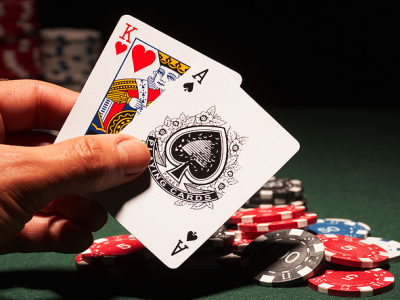
Winning: Beat the dealer’s total without exceeding 21, or automatically win if dealt a natural blackjack (Ace and 10-value card).
Understanding House Edge
Blackjack is considered one of the most player-friendly games in terms of house edge. With correct strategy, the house edge can drop below 1%. However, poor decisions increase the casino’s advantage dramatically. Recognizing how small choices affect outcomes is key to playing responsibly and intelligently.
Essential Blackjack Strategies
To maximize success, players rely on structured strategies that reduce guesswork. Some of the most critical strategies include:
Basic Strategy Chart
A basic strategy chart provides the statistically best action for every possible hand combination. It considers the player’s total and the dealer’s upcard. For example:
-
Always hit if you have a total of 8 or less.
-
Stand on hard 17 or higher.
-
Double down on 11 when the dealer shows anything other than an Ace.
Card Counting
Although controversial in casinos, card counting is a mathematical method to track the ratio of high to low cards remaining in the deck. High cards (10s and Aces) benefit players by increasing blackjack chances, while low cards favor the dealer. While legal, card counting requires sharp focus and practice.
Bankroll Management
Even with skill, luck plays a role. Effective bankroll management helps players avoid unnecessary losses. Setting limits and only betting a small percentage of the bankroll per hand prevents emotional decisions during winning or losing streaks.
Avoiding Insurance
When the dealer shows an Ace, players may be offered insurance. Statistically, this side bet is not favorable in the long run. Most experienced players avoid it to maintain their edge.
Blackjack Variations
Casinos worldwide offer multiple versions of blackjack, each with slight rule changes that affect odds. Some popular variations include:
-
European Blackjack: Dealer receives only one card initially, and players cannot peek at a potential blackjack until later.
-
Spanish 21: Played with decks that remove the 10 cards, offering unique rules like bonus payouts for certain hands.
-
Pontoon: A British version where the terminology and winning conditions differ slightly.
-
Progressive Blackjack: Includes a side bet linked to a jackpot prize.
Understanding rule differences before playing helps players adjust strategy effectively.
Psychology in Blackjack
Beyond numbers, psychology plays a powerful role in blackjack. Players often fall into traps such as chasing losses, over-betting, or making emotional decisions. Successful players practice discipline, patience, and emotional control, ensuring logic guides every move rather than impulse.
Practical Tips for Real-Life Play
-
Learn Table Etiquette: Simple gestures, like tapping the table to hit or waving to stand, keep the game flowing smoothly.
-
Avoid Alcoholic Distractions: Clear thinking leads to better decisions.
-
Observe Before Playing: Watching a few rounds can help new players understand table dynamics.
-
Use Free Games Online: Practicing on free platforms before wagering real money builds skill without risk.
Why People Love Blackjack
The balance between luck and strategy makes blackjack universally appealing. Beginners enjoy its simplicity, while advanced players appreciate the mathematical depth. Its fast pace keeps the excitement alive, and the sense of control over decisions differentiates it from pure games of chance.
Frequently Asked Questions
Is blackjack purely a game of luck?
No, blackjack combines luck with strategy. While the cards dealt are random, player choices significantly impact the outcome, making skill an important factor.
Can I make a living playing blackjack?
Some professional players attempt it, often using advanced techniques like card counting. However, it requires discipline, large bankrolls, and acceptance of risks, making it unrealistic for most people.
What is the difference between a hard hand and a soft hand?
A hard hand contains no Ace or an Ace that must count as 1. A soft hand includes an Ace counted as 11, giving the player more flexibility to adjust strategy.
Why do casinos dislike card counters if it’s legal?
Card counting reduces the house edge, and while legal, casinos reserve the right to refuse service to players they suspect are using it. This protects their profit margins.
How many decks are used in blackjack?
It varies. Traditional blackjack uses one or two decks, but most modern casinos use between four and eight decks to make card counting more challenging.
Is online blackjack different from in-person play?
Yes, online versions often use random number generators instead of physical cards. Live dealer games aim to replicate the casino experience but still use technology-driven systems.